




Understanding Machinery Movers and Their Importance
In the fast-paced world of manufacturing and heavy industry, machinery movers play an essential role in ensuring that operations run smoothly, efficiently, and safely. These specialized professionals are tasked with the complex and often challenging job of relocating heavy machinery, which can weigh anywhere from hundreds to thousands of pounds. As businesses expand or relocate, the need for dependable and skilled machinery movers becomes paramount. In Toronto, companies like Machinery Movers provide invaluable services that not only facilitate equipment relocation but also minimize downtime and disruption to business operations.
What are Machinery Movers?
Machinery movers are professionals who specialize in the transportation, installation, and maintenance of heavy equipment and machinery. Their work encompasses a wide range of activities including lifting, transporting, dismantling, and reassembling complex machinery. These movers utilize a variety of specialized tools and equipment to ensure that heavy items are handled safely and effectively. Whether it’s moving large manufacturing machines, construction equipment, or entire production lines, machinery movers are essential players in the logistics of heavy equipment handling.
The Role of Machinery Movers in Industrial Relocations
Machinery movers are integral to the successful completion of industrial relocations. When a company decides to move its operations, the logistics involved can be overwhelming. Machinery movers streamline this process by managing every aspect of the relocation, from the initial site assessment to the final setup at the new location. Their expertise helps in planning the move, determining the appropriate equipment for the job, and ensuring compliance with safety regulations. This comprehensive approach not only protects the equipment but also safeguards the workforce during the transition.
Key Skills and Expertise Required
Successful machinery movers possess a unique combination of skills and expertise that allows them to perform their tasks safely and efficiently. Key skills include:
- Technical Knowledge: An understanding of the machinery being moved, including its operational mechanics and safety features.
- Rigging and Lifting Techniques: Proficiency in various rigging methods and lifting equipment, such as cranes and forklifts.
- Problem-Solving Abilities: The capacity to devise solutions to unforeseen challenges that may arise during the move.
- Safety Awareness: A thorough comprehension of safety protocols and regulations to prevent accidents and injuries.
- Project Management: The ability to coordinate multiple aspects of the move, ensuring that schedules are met and resources are appropriately allocated.
Services Offered by Machinery Movers
Heavy Machinery Moving and Rigging
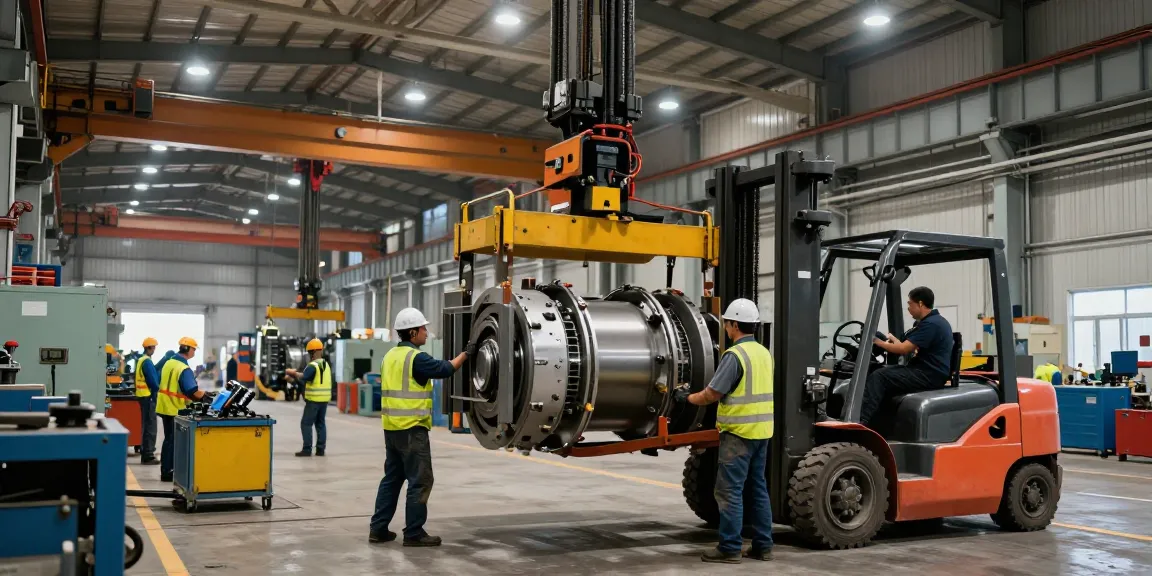
One of the primary services offered by machinery movers is heavy machinery moving. This involves the use of specialized equipment such as high-capacity forklifts, cranes, and rigging gear. Machinery movers assess the machinery’s weight, dimensions, and fragility before selecting the appropriate lifting and transportation methods. This attention to detail ensures that the equipment is not only moved safely but also remains in optimal working condition throughout the process.
Turnkey Plant Relocation Services
Many machinery moving companies offer turnkey plant relocation services, which provide a complete solution for moving an entire manufacturing facility. This service encompasses everything from the dismantling of machines and equipment at the original location to the setup and installation at the new site. Turnkey services are beneficial for businesses looking for a seamless transition with minimal operational downtime.
Additional Services: Assembly and Dismantling
Besides moving machinery, many movers provide additional services such as assembly and dismantling. This service ensures that complex machinery is carefully taken apart for transportation and reassembled correctly at the new location. Skilled technicians ensure that every component is accounted for and reassembled in accordance with the manufacturer’s specifications, safeguarding the integrity and functionality of the equipment.
Choosing the Right Machinery Movers for Your Project
Factors to Consider When Hiring Machinery Movers
When selecting machinery movers for your project, several factors should be carefully considered:
- Experience: Look for companies with a proven track record in moving similar types of machinery.
- Insurance: Verify that the movers carry adequate insurance coverage to protect against potential damages.
- Equipment: Assess whether the machinery movers have the necessary equipment to handle your specific needs.
- References: Request references or case studies from previous clients to gauge the reliability and quality of service provided.
Verifying Credentials and Experience
It is crucial to verify the credentials and experience of machinery movers. Look for certifications from recognized organizations such as the Specialized Crane & Rigging Association (SCRA) or the Ontario Trucking Association (OTA). These affiliations can provide reassurance of the company’s adherence to industry standards and best practices.
Obtaining Free Quotes and Estimates
Many reputable machinery movers offer free, no-obligation quotes. Obtaining multiple estimates can help business owners make informed decisions regarding cost and service offerings. Be sure to provide detailed information about the machinery and the logistics involved to receive the most accurate quotes.
Best Practices in Machinery Moving
Safety Protocols to Follow
Safety should always be the top priority when moving heavy machinery. Companies should implement rigorous safety protocols that include:
- Conducting comprehensive risk assessments before the move.
- Utilizing appropriate safety gear and equipment.
- Ensuring all team members are trained in safety procedures pertinent to machinery handling.
- Establishing clear communication protocols to coordinate activities among team members.
Equipment Utilization Strategies
Effective machinery moving requires the strategic use of equipment. Ensuring that the right tools are available and in good working condition is essential for minimizing risks and enhancing efficiency. Consider leveraging technology such as telematics to monitor equipment usage and performance during the moving process.
Case Studies: Successful Machinery Relocations
Examining successful machinery relocations can provide valuable insights into best practices. Companies can learn from previous projects that have faced similar challenges and adapt strategies accordingly. Detailed case studies highlight the importance of planning and execution, showcasing how proper coordination can lead to successful outcomes.
Future Trends in Machinery Moving Services for 2026 and Beyond
Impact of Technology on Machinery Moving
The machinery moving industry is poised for significant advancements as technology continues to evolve. Innovations such as automation and telematics are expected to enhance efficiency and safety. Automated lifting systems and advanced rigging equipment could drastically reduce the time and labor required for machinery moving tasks.
Sustainability Practices in the Industry
As environmental concerns rise, machinery movers are increasingly adopting sustainability practices. This includes improving fuel efficiency for transportation, utilizing eco-friendly materials for packaging, and optimizing routes to reduce carbon footprints. Businesses are often looking for service providers who align with their sustainability goals.
Emerging Challenges and Opportunities Ahead
The machinery moving sector will face challenges such as labor shortages and rising operational costs. However, these challenges can also present opportunities for innovation and growth. Companies that invest in training and modernizing their fleets will likely gain a competitive edge.
What Factors Contribute to the Cost of Moving Heavy Machinery?
Several factors affect the cost of moving heavy machinery, including:
- Distance: The farther the machinery must be moved, the higher the costs due to transportation and time.
- Weight and Size: Heavier and larger equipment typically requires more specialized moving equipment, increasing costs.
- Complexity of the Move: Projects requiring dismantling or specialized rigging can significantly impact overall pricing.
How Do Machinery Movers Ensure Equipment Safety?
Machinery movers ensure the safety of equipment through careful planning, use of appropriate lifting techniques, and securing machinery for transportation. Regular inspections and adherence to safety regulations are critical components of their operations. By adopting a thorough approach, movers can prevent damage and ensure machinery remains operational.
What Equipment is Used in Machinery Moving?
The equipment utilized in machinery moving varies but commonly includes:
- Semi-trailers and flatbeds for transportation
- Crane systems for lifting
- Forklifts and hoists for maneuvering
- Rigging equipment, including slings and shackles
How Long Does the Machinery Moving Process Take?
The duration of the machinery moving process can vary widely based on several factors, including the complexity of the relocation, the distance involved, and the type of equipment being moved. Simple moves may take a few hours, while larger projects can require several days of preparation and execution.
What Are the Benefits of Hiring Professional Machinery Movers?
Hiring professional machinery movers offers numerous benefits, including:
- Expertise: Professionals possess the knowledge and skills necessary to navigate complex moves.
- Efficiency: Experienced movers can complete relocations more quickly and safely than untrained personnel.
- Reduced Risk: Professional handling minimizes the risk of injury or equipment damage.



More Stories
The Most Common Metal Fabrication Vancouver Errors and Quick Fixes for Professionals in 2026
Advancements in Heavy Industry: Engineering for the Future