Understanding Face Mask Packs
Face mask packs have evolved into a staple in skincare routines across the globe, offering users an opportunity to indulge in self-care while achieving visible improvements in skin health. These convenient products come in various forms, textures, and formulations, catering to a wide range of skin types and concerns. When exploring options, face mask pack providers offer comprehensive insights that can guide your choices effectively.
What is a Face Mask Pack?
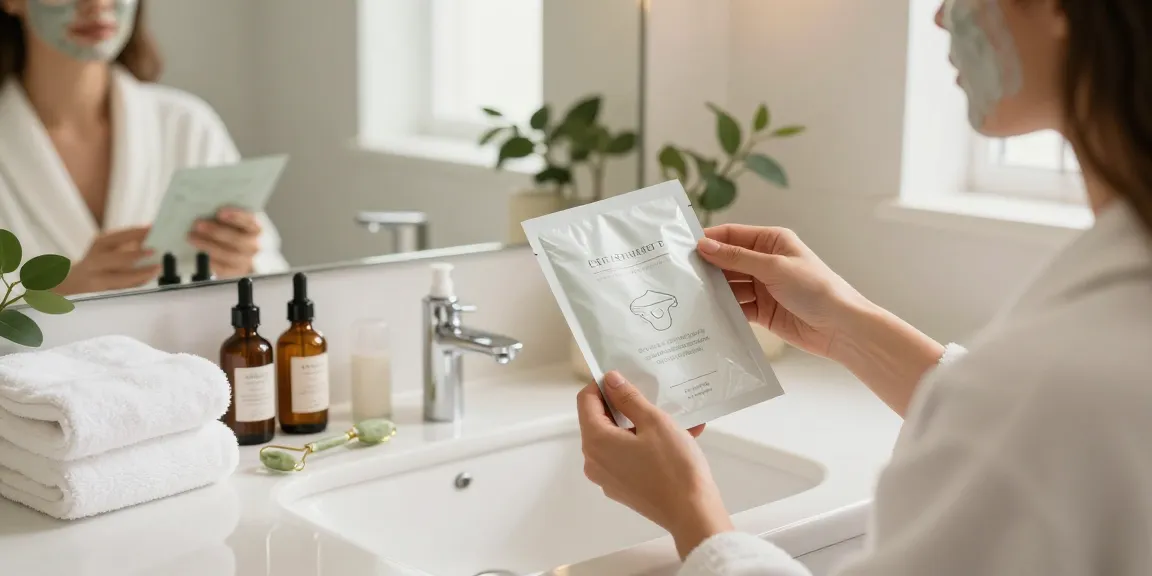
A face mask pack is a skincare product designed to rejuvenate, hydrate, or treat the skin through direct application. Typically applied to the face for a specific duration, these masks work to deliver concentrated ingredients to the skin’s surface, resulting in noticeable effects. Available in various forms—including sheet masks, clay masks, and peel-off masks—each type serves distinct purposes, targeting specific skin concerns such as dryness, acne, or aging.
Key Ingredients to Look For
When choosing a face mask pack, it's crucial to consider the ingredients that promote effectiveness. Common beneficial ingredients include:
- Hyaluronic Acid: Known for its hydrating properties, it helps retain moisture in the skin.
- Vitamin C: An antioxidant that brightens the complexion and helps reduce signs of aging.
- Salicylic Acid: Ideal for acne-prone skin, it helps to unclog pores and prevent breakouts.
- Peptides: Essential for improving skin elasticity and reducing wrinkles.
- Aloe Vera: Soothes and hydrates, making it perfect for sensitive skin types.
Benefits of Using Face Mask Packs
Incorporating face mask packs into your skincare routine offers numerous benefits:
- Deep Cleansing: Removes impurities and unclogs pores.
- Enhances Hydration: Provides an intense moisture boost.
- Improves Skin Texture: Regular use can lead to smoother, more even skin.
- Targeted Treatments: Address specific issues like acne, dullness, or pigmentation effectively.
The Science Behind Face Mask Packs
To truly appreciate the value of face mask packs, it’s essential to understand the scientific principles that underpin their effectiveness. The interaction between the mask and your skin is where the magic happens.
How They Work on Your Skin
Face masks work by allowing active ingredients to penetrate the skin barrier effectively. When applied, these masks create an occlusive layer that traps moisture and enhances the absorption of beneficial components. This process can lead to hydration, nourishment, and treatment for various skin concerns, thanks to concentrated ingredients that target problem areas directly.
Types of Face Masks and Their Purposes
There are several types of face masks, each suited for distinct skin needs:
- Sheet Masks: Pre-soaked with serums, these masks are easy to use and ideal for hydration and brightness.
- Clay Masks: Excellent for oily and acne-prone skin, they draw out impurities and excess oil.
- Gel Masks: Cooling and soothing, often used for sensitive or irritated skin.
- Peel-off Masks: These masks adhere to the skin and remove dead skin cells and impurities upon removal.
Innovative Technologies in Face Mask Formulations
The face mask industry is continually evolving, with new technologies enhancing efficacy and user experience. Innovations include:
- Bio-cellulose: Made from natural fibers, these masks fit the contours of the face better and provide superior hydration.
- Nanotechnology: Allows for smaller particles of active ingredients, enhancing penetration and effectiveness.
- Probiotics: Formulations include good bacteria that improve skin health and barrier function.
Choosing the Right Face Mask Pack
Selecting the ideal face mask pack involves understanding your skin type and specific concerns. Here are key factors to consider.
Skin Types and Suitable Face Mask Packs
Your skin type should dictate your choice of face mask:
- Oily Skin: Look for clay or charcoal masks that absorb excess oil and reduce shine.
- Dry Skin: Opt for hydrating masks with hyaluronic acid or glycerin.
- Sensitive Skin: Choose soothing gel masks with aloe vera or chamomile.
- Combination Skin: Masks that balance oil control and hydration are ideal.
Common Misconceptions About Face Mask Usage
Many myths surround the use of face masks:
- Myth: Face masks can replace regular skincare routines. Fact: Masks are treatments, not substitutes for daily skincare.
- Myth: The more you use, the better. Fact: Overusing masks can lead to irritation; moderation is key.
- Myth: All masks are created equal. Fact: Ingredients vary, and it’s essential to choose wisely based on skin needs.
Expert Tips for Selecting the Best Face Mask
To make an informed selection, consider these tips:
- Read labels carefully for key ingredients.
- Patch test new products to check for allergies.
- Research brands and seek recommendations from dermatologists.
How to Incorporate Face Mask Packs into Your Routine
Using face mask packs effectively can elevate your skincare regimen significantly.
Step-by-Step Application Process
Follow these steps for optimal mask application:
- Cleanse your skin thoroughly to remove impurities.
- Apply your chosen mask evenly over the face, avoiding the eye area.
- Relax and leave the mask on for the recommended duration.
- Rinse off or peel off as directed, then follow with a moisturizer.
When to Use Face Masks for Maximum Benefits
Timing matters when applying face masks. For instance:
- Use hydrating masks after exfoliating for enhanced absorption.
- Apply calming masks post-sun exposure to soothe the skin.
- Incorporate detoxifying masks during skin flare-ups or breakouts.
Combining Face Masks with Other Skincare Products
To maximize the benefits of your skincare routine, consider layering products. For instance:
- Use a toner before applying a mask to prep the skin.
- Follow up with serums rich in targeted ingredients after the mask.
- Finish with a hydrating cream or oil to seal in moisture.
Trends and Innovations in Face Mask Packs for 2026
The face mask market is continuously innovating, shifting towards sustainability and personalization.
Sustainable and Eco-Friendly Options
Consumers are increasingly seeking environmentally friendly products. Expect to see:
- Biodegradable sheet masks to reduce plastic waste.
- Refillable packaging to minimize environmental impact.
- Ingredients sourced from sustainable farms.
Customization and Personalized Skincare Solutions
As personalization becomes a trend, bespoke masks tailored to individual skin concerns are emerging. Brands are introducing:
- Custom mix-and-match mask systems.
- At-home skin analyses to recommend personalized mask packs.
The Future of Face Masks in Skincare Technology
Future innovations may include:
- Smart masks embedded with sensors to monitor skin conditions.
- AI-driven recommendations based on skin analysis.
What are the best face mask packs for sensitive skin?
Look for masks with gentle ingredients like aloe vera, chamomile, or calendula, as they soothe irritation while still providing benefits.
How often should I use a face mask pack?
Generally, using a face mask 1-2 times a week is recommended, depending on your skin type and the mask's purpose.
Can face mask packs replace my regular moisturizer?
No, face masks are generally treatments designed for occasional use, while moisturizers should be a part of your daily routine.
What should I do if I have an allergic reaction to a face mask?
If an allergic reaction occurs, discontinue use immediately, wash the area with lukewarm water, and apply a soothing cream. Consult a dermatologist if symptoms persist.
Are there DIY alternatives to commercial face mask packs?
Yes, common kitchen ingredients like honey, yogurt, and oatmeal can be blended to create effective DIY masks tailored to specific skin needs.