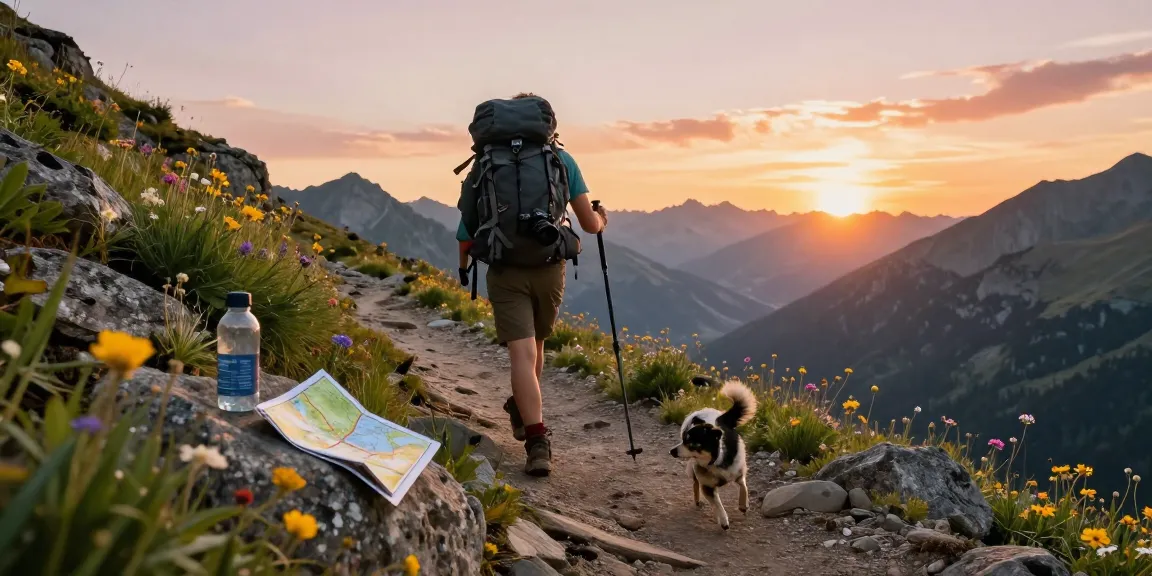
Understanding the Spirit of Adventure
Adventure is an intrinsic part of being human. It propels us to explore unknown territories, pushing the boundaries of our comfort zones. Whether it’s scaling a mountain or navigating a winding forest trail, the call to adventure is deep-rooted, often linked to a desire for personal growth and discovery. As you delve deeper into the realm of outdoor activities, consider exploring invaluable resources like https://www.fightandflight.com to guide your journey.
What Drives People to Explore?
The motivations behind exploration can vary significantly from one individual to another. Some predominantly seek the thrill of adrenaline, while others may desire a connection with nature or a break from the monotony of everyday life. Many adventurers are spurred on by the quest for knowledge, aiming to understand the environments they traverse and the flora and fauna contained within. This deep-seated urge to explore is often what drives people to pursue outdoor activities.
Key Benefits of Outdoor Activities
- Physical Health: Engaging in outdoor activities enhances physical well-being, promoting cardiovascular health and building strength.
- Mental Clarity: Time spent in nature can result in reduced stress and anxiety, allowing individuals to clear their minds.
- Social Interaction: Outdoor activities often involve groups or communities, fostering friendships and connections.
- Skill Development: Many explorations require the acquisition of new skills, from navigation to survival techniques.
- Environmental Awareness: Regular interaction with outdoor settings increases awareness and appreciation for natural spaces.
Common Misconceptions About Hiking
It’s common to hear misconceptions about hiking that can deter novice adventurers. One prevalent myth is that hiking is only for the physically fit; in reality, hiking trails vary in difficulty, catering to all fitness levels. Another misconception is that you need bulky, expensive gear to enjoy hiking. In truth, many trails can be explored with basic footwear and a willingness to try. Understanding these myths can encourage more people to embrace hiking.
Essential Gear for Every Adventurer
When preparing to hit the trails, having the right gear can make all the difference in ensuring a safe and enjoyable experience. Essential items can vary based on the specific activity and environment, but some basics are universally important for all types of adventurers.
Must-Have Items for Trail Hiking
- Backpack: A well-fitted backpack is critical for storing water, food, and gear.
- Hydration System: Staying hydrated is essential; consider using a hydration bladder or water bottles.
- First Aid Kit: Carry a compact first aid kit for any minor injuries or emergencies.
- Trail Snacks: High-energy snacks, such as nuts or granola bars, keep energy levels up.
- Navigation Tools: A map, compass, or GPS device helps you stay oriented in unfamiliar territory.
Choosing the Right Footwear and Clothing
Footwear and clothing can significantly impact your comfort and safety during an adventure. Waterproof hiking boots are essential for wet and rugged terrains, providing stability and grip. Meanwhile, layering is the key to managing varying temperatures; base layers wick moisture, insulating layers trap heat, and outer shells protect against wind and rain. Always consider fabric choices; synthetic materials or merino wool are excellent for breathability and moisture management.
Innovative Technologies in Hiking Gear
The outdoor gear industry is continually evolving, introducing innovative technologies that enhance the hiking experience. Lightweight, durable materials are now commonplace, allowing for efficient equipment without added bulk. Smart clothing with integrated sensors can monitor body temperature and hydration levels, providing real-time feedback to hikers. Additionally, solar-powered gadgets, like portable chargers, make it easier to stay connected during extended treks.
Planning Your Adventure Safely
Preparation is vital when planning an outdoor adventure. Taking the time to map out your journey and review conditions can lead to a safer, more enjoyable experience. A well-thought-out plan not only enhances your experience but also keeps you safe while exploring the great outdoors.
Researching Trails and Destinations
Before setting off on your journey, it’s essential to research potential trails and destinations. Websites, guidebooks, and local outdoor shops often provide valuable insights into trail conditions and regional highlights. Look for information on accessibility, difficulty level, and any wildlife you may encounter, as understanding your environment can significantly enhance your experience.
Weather Considerations and Safety Tips
Weather can change rapidly in outdoor settings; thus, it’s crucial to check forecasts leading up to your adventure. Dress in layers to accommodate fluctuating temperatures, and always have a backup plan for inclement weather. Familiarize yourself with signs of severe weather, such as sudden drops in temperature or darkening skies, so you can respond swiftly.
Emergency Preparedness for Hikers
Being prepared for emergencies can make an enormous difference in the outcome of a hiking adventure. Carry a whistle, mirror, and flashlight along with your first aid kit to signal for help if needed. Familiarize yourself with basic survival skills, like creating a shelter or starting a fire, which can be invaluable in unexpected situations. Always inform someone of your plans and expected return time; this information can aid search efforts if needed.
Real-Life Adventure Stories and Insights
Exploring the experiences of others can provide inspiration and valuable lessons for your own adventures. Real-life stories from fellow adventurers can illustrate the beauty and challenges of hiking, often providing tales of resilience and discovery.
Inspiring Tales from the Trail
Many adventurers have faced obstacles on their journeys, whether it’s battling through difficult terrains or overcoming personal fears. These stories often emphasize the importance of perseverance and determination, serving as motivational reminders of what can be achieved through outdoor exploration. For instance, a hiker may recount how they summited a daunting peak despite initial doubts, inspiring others to conquer their challenges.
Lessons Learned from Challenging Hikes
Challenges on the trail can lead to significant personal growth. Hikers may learn the importance of preparation, adaptability, and even humility as they navigate obstacles. By sharing these lessons, seasoned adventurers can help others avoid common pitfalls, ensuring safer and more enjoyable experiences in nature.
Community and Support in the Adventure Space
The outdoor community can provide invaluable support and camaraderie. Platforms and social media groups dedicated to hiking create a space for sharing tips, trail recommendations, and personal stories. Engaging with these communities can enrich your experience, allowing you to learn from others and share your own insights.
Future Trends in Outdoor Exploration
The future of outdoor exploration promises exciting developments as technology and environmental consciousness evolve. Emerging trends suggest that adventurers will continue to prioritize sustainability while embracing innovative gear and methods to enhance their experiences.
Eco-Friendly Practices for Adventurers
As awareness of environmental issues grows, so does the responsibility among adventurers to adopt eco-friendly practices. This includes using sustainable gear, minimizing waste, and practicing Leave No Trace principles. By planning adventures that respect and protect natural environments, outdoor enthusiasts can contribute to the preservation of these spaces for future generations.
The Impact of Technology on Outdoor Activities
Advancements in technology are set to revolutionize outdoor activities further. From app-based navigation tools to virtual reality experiences that allow users to preview trails, technology is making outdoor exploration more accessible than ever. As we head into the future, it’s likely that technology will continue to bridge the gap between adventurers and the wilderness.
New Opportunities for Adventure Tourism in 2026
As the demand for unique travel experiences rises, adventure tourism is set to expand significantly. Locations that offer transformative adventures, such as immersive cultural experiences or eco-tourism activities, will likely attract more visitors. Understanding these trends can help adventurers plan trips that align with their values and interests.
How to Get Involved in Outdoor Communities?
Getting involved in local outdoor communities can enhance your adventure experience significantly. Participate in local hiking clubs, attend workshops, or join online forums to connect with like-minded individuals. These interactions not only foster friendships but also expose you to new perspectives and skills.
What Gear Innovations to Expect in Future?
Looking ahead, expect further innovations in outdoor gear, such as smart clothing that can adapt to environmental changes and biodegradable materials that minimize environmental impact. These innovations promise to enhance comfort and safety while showcasing a commitment to sustainable practices.