Understanding Metal Fabrication in Vancouver
Metal fabrication is a vital process in various industries, playing a crucial role in the construction and manufacturing sectors. In Vancouver, where architectural innovation and industrial needs converge, custom metal fabrication represents a significant facet of local craftsmanship. When exploring options, metal fabrication vancouver services range from intricate design pieces to robust structural elements, catering to a variety of applications. This article delves into the nuances of metal fabrication, its significance in Vancouver, and what one should know to make informed decisions.
What is Metal Fabrication?
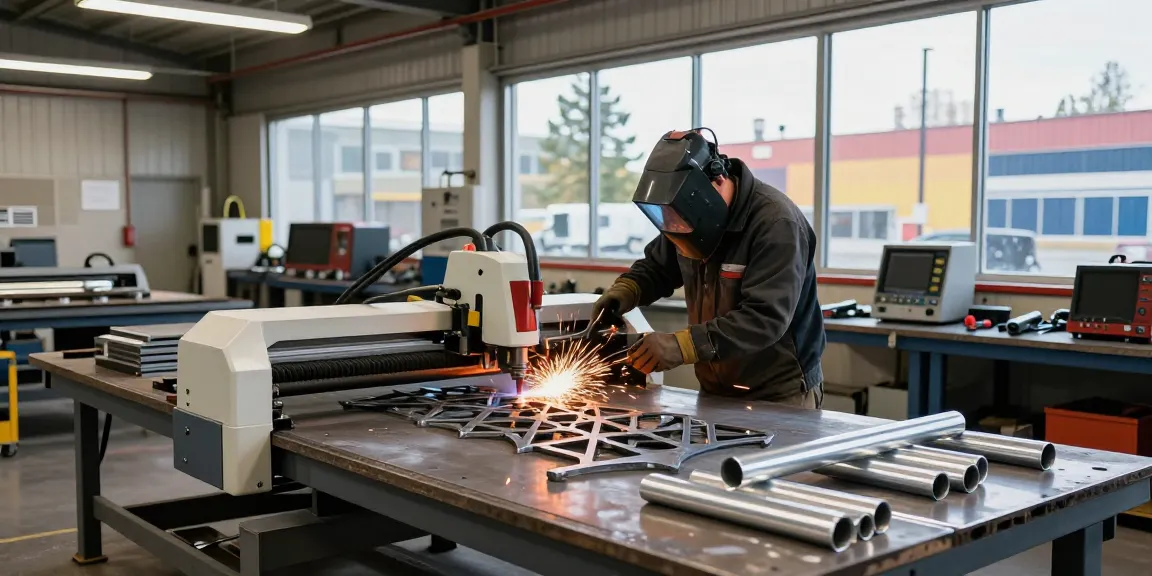
Metal fabrication refers to the process of creating metal structures and components through processes such as cutting, bending, welding, and assembling. This practice extends across various materials, including steel, aluminum, and stainless steel, which are manipulated to meet specific design and functional requirements. Skilled metal fabricators employ advanced technology alongside traditional techniques to produce high-quality products that fulfill the demands of both residential and commercial projects.
The Importance of Custom Metalwork in Vancouver
As Vancouver continues to thrive as a hub of architectural and industrial development, the need for custom metalwork becomes increasingly pronounced. Custom metalwork not only enhances aesthetic appeal but also provides practical solutions tailored to the unique challenges posed by the city's diverse climate and contemporary design trends. From eye-catching railings and staircases to robust support systems and artistic installations, custom metalwork serves as a bridge between form and function.
Key Components of Metal Fabrication Services
Effective metal fabrication services encompass several critical components that ensure the delivery of high-quality, lasting products. These include:
- Material Selection: The choice of materials significantly impacts the durability and appearance of finished products.
- Design Collaboration: Engaging with clients to understand their vision and requirements is essential for producing bespoke solutions.
- Precise Engineering: Utilizing advanced technology for design and fabrication ensures accuracy in dimensions and overall functionality.
- Quality Control: Rigorous quality checks throughout the fabrication process help maintain high standards.
Common Challenges in Metal Fabrication
While custom metal fabrication offers numerous advantages, it also presents unique challenges that require careful management. Awareness of these challenges can help stakeholders navigate potential pitfalls effectively.
Misconceptions About Metal Types and Applications
A common misconception is that all metals provide the same performance characteristics. Different metals offer varying strength, weight, corrosion resistance, and aesthetic qualities. Understanding these differences is crucial in selecting the appropriate material for specific applications, especially in an environment like Vancouver where weather conditions can impact metal performance over time.
Time Management Issues in Custom Projects
Custom projects often come with tight deadlines, which can lead to rushed decisions and poor quality if not managed correctly. Proper planning and coordination with fabricators can help mitigate these issues, ensuring that projects remain on schedule without compromising on quality.
Understanding Local Regulations and Compliance
Every municipality has specific codes and regulations governing metal fabrication and construction. Familiarity with these rules is essential for compliance and to avoid costly delays. This is particularly pertinent in Vancouver, where environmental and safety regulations are stringent.
Best Practices for Successful Metal Fabrication
To achieve optimal results in metal fabrication, certain best practices should be adhered to throughout the process. These practices not only enhance the quality of the output but also ensure client satisfaction.
Choosing the Right Materials for Your Project
Material selection should be based on the project's intended application, environmental exposure, and aesthetic preferences. For example, stainless steel is ideal for outdoor fixtures due to its corrosion resistance, while aluminum may be preferred for lightweight applications.
Design Considerations for Metalwork
Effective design in metalwork balances aesthetics with functionality. Collaborating with experienced designers and fabricators can lead to innovative solutions that meet both visual and structural requirements.
Installation Techniques and Safety Protocols
Proper installation is critical to the longevity of any metalwork project. Following safety protocols during installation not only protects workers but also ensures that the finished product operates safely and efficiently.
Real-World Applications of Metal Fabrication
The versatility of metal fabrication allows it to serve a wide array of applications in both residential and commercial settings. Below are some examples that highlight its importance.
Residential Projects: Enhancing Home Aesthetics
Custom metalwork can dramatically enhance the aesthetic appeal of residential properties. Unique railings, gates, and architectural features can be tailored to reflect a homeowner's individual style while also providing safety and functionality.
Commercial Applications: Functional and Stylish Solutions
In commercial settings, metal fabrication supports both functionality and style. Businesses often utilize custom metal solutions for signage, structural components, and decorative elements that convey brand identity while adhering to safety standards.
Case Studies: Successful Metal Fabrication Projects in Vancouver
Several notable projects in Vancouver exemplify successful applications of metal fabrication. For instance, the custom steel structures used in mixed-use developments showcase not only innovative design but also adherence to sustainability practices that are increasingly important in today's market.
Future Trends in Metal Fabrication by 2026
The metal fabrication industry is continually evolving, driven by technological advancements and market demands. Understanding these trends will be essential for staying competitive in the coming years.
Emerging Technologies in Metalworking
Technologies such as 3D printing, automated welding, and advanced laser cutting are revolutionizing the metal fabrication landscape. These developments increase precision, reduce waste, and enhance design capabilities, allowing fabricators to meet client needs more effectively.
Sustainability Practices in Metal Fabrication
As sustainability becomes a core value for many companies, metal fabrication is also adapting to reduce its environmental impact. This includes using recycled materials, adopting energy-efficient processes, and implementing waste reduction strategies.
Market Predictions for Metal Fabrication Services
As the demand for custom metalwork grows, so too will the offerings within the industry. Predictions suggest an increase in projects requiring intricate designs, coupled with a push for faster turnaround times and enhanced customization options.
What types of metals do you work with?
Avangard Steel specializes in various metals, including stainless steel, aluminum, iron, and other alloys tailored to specific project requirements. This diversity allows for a wide range of applications and designs.
Can I provide a custom design for my project?
Absolutely! Custom designs are a cornerstone of Avangard Steel's services. Clients are encouraged to bring their visions to life, ensuring that the final product aligns perfectly with their expectations and requirements.
How long does a custom metalwork project take?
The duration of a custom metalwork project can vary significantly based on complexity, materials, and design specifications. Generally, Avangard Steel provides a detailed timeline upon project initiation, ensuring clarity from the outset.