





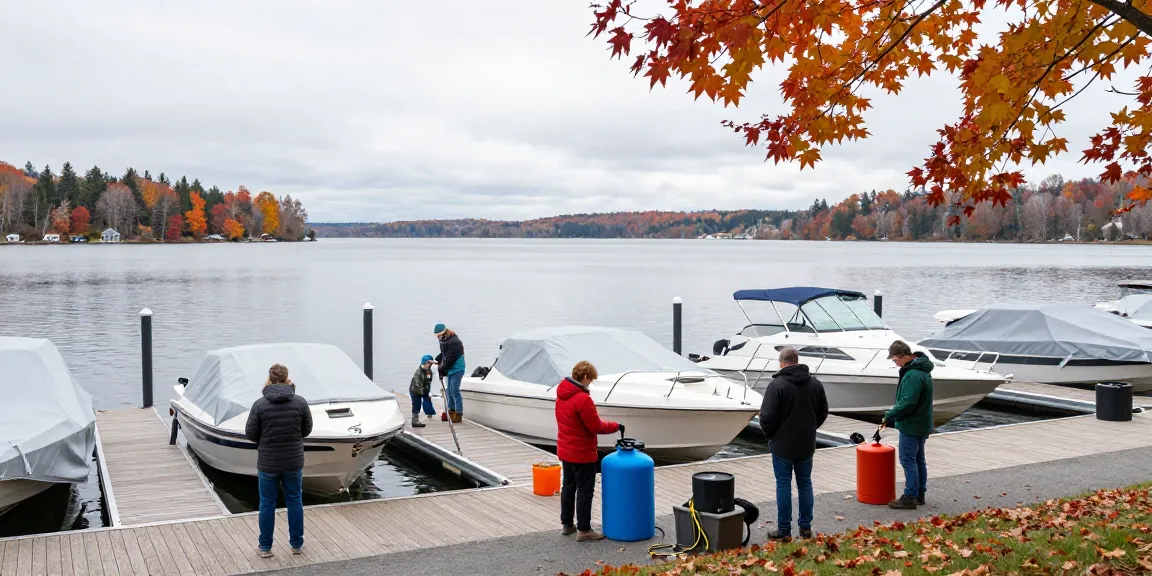
Understanding Boat Winterization Essentials
As the boating season comes to a close, many boat owners face a critical task that can greatly influence the longevity and performance of their vessels: boat winterization. This essential process goes beyond mere storage; it involves a comprehensive understanding of how to protect your boat from the harsh winter elements. Whether you are a seasoned boater or new to the experience, recognizing the importance of winterizing can save you significant repair costs and ensure a smooth transition into the next boating season. When exploring options, boat winterization practices provide comprehensive insights that help you safeguard your investment.
What is Boat Winterization?
Boat winterization is the practice of preparing a boat for the off-season when it is not in use, particularly in regions that experience freezing temperatures. This process typically involves draining water systems, stabilizing fuel, and protecting the engine and electrical components from damage caused by the cold. By properly winterizing your boat, you not only prolong its lifespan but also ensure it will be ready for use once the warm weather returns.
Common Misconceptions about Winterizing
Many boat owners have misconceptions about winterizing, thinking it is only necessary in extremely cold climates. However, even in milder regions, the risk of moisture accumulation and corrosion can still pose a threat. Another common myth is that winterization is a quick and easy task that can be performed in a single afternoon. In reality, effective winterization requires careful planning and attention to detail, often involving several steps over several days.
The Importance of Winterizing Your Boat
The significance of winterizing your boat cannot be overstated. Without proper preparation, boats may suffer from issues like frozen pipes, damaged engines, and mold growth. These problems not only disrupt your boating experience but can also lead to hefty repair bills. Additionally, winterization can enhance safety, ensuring that your boat is in excellent condition when you take to the water again in spring.
Key Steps for Effective Boat Winterization
Effective winterization is a multi-step process that involves several key actions to ensure your boat is protected against winter elements. Here, we outline the crucial steps every boat owner should follow to winterize their vessel properly.
Preparing the Fuel System
One of the first and most important tasks is to prepare the fuel system. Start by filling your fuel tank to prevent condensation from forming inside the tank, which can lead to rust. Add a fuel stabilizer to prevent the fuel from degrading over the months. This step is crucial because stale fuel can cause starting issues when you launch in the spring.
Protecting the Engine and Internal Components
Next, focus on the engine and internal components. For inboard engines, flush out the cooling system with fresh water and then use antifreeze to protect against freezing. Outboard engines should have their lower units drained of water and refilled with fresh oil. Additionally, changing the engine oil before winter storage can prevent contaminants from damaging the engine over the winter months.
Proper Storage Solutions for Long-Term Care
Finally, consider your storage solutions for the off-season. If possible, store the boat indoors to shield it from harsh weather. If indoor storage isn’t an option, using a high-quality boat cover can help protect your vessel from snow, ice, and UV rays. Ensure that the boat is elevated to avoid water accumulation and check periodically for any signs of wear or damage.
Tools and Products for Successful Winterization
To successfully winterize your boat, having the right tools and products is essential. Here are some key items that can facilitate the winterization process.
Essential Winterization Kits to Consider
Many marinas and boating supply stores offer winterization kits that include everything you need for the process. These kits often contain antifreeze, oil filters, fuel stabilizers, and cleaning supplies, making them an excellent option for those who prefer a straightforward approach. Investing in a quality winterization kit can simplify the task significantly.
Professional-Grade vs. DIY Winterization Supplies
While many boat owners opt for DIY winterization, professional-grade supplies can provide better results. Commercial products often have formulations designed to handle the specific challenges posed by winter conditions. If you’re not confident in your ability to effectively winterize your boat, consider hiring a professional service to ensure comprehensive protection.
Cost-Effective Options for Winterizing Your Boat
Budget-conscious boaters need not worry; there are plenty of cost-effective winterization options available. Basic supplies can be purchased at a fraction of the cost of hiring a professional service. Moreover, many local maritime service providers offer these services at competitive rates, especially if you are part of their regular clientele.
Common Mistakes to Avoid When Winterizing
Even experienced boaters can make mistakes when winterizing their vessels. Here are some common pitfalls to avoid to ensure your boat remains in top condition.
Neglecting Critical Systems and Components
One of the most significant mistakes is neglecting critical systems such as the water system and battery. Drain all water lines and tanks to prevent freezing, and ensure that the battery is either removed for storage or fully charged and maintained through winter.
Inadequate Cleaning Before Storage
Another common oversight is failing to clean the boat before storage. Dirt, salty residue, and organic materials can promote corrosion and mildew growth. Thoroughly clean and dry the boat before covering it to minimize these risks.
Failing to Document Winterization Steps
Many boat owners neglect to document the winterization process. Keeping a checklist of the steps taken to winterize your boat helps to ensure that you don’t miss anything and assists when it comes time to de-winterize in the spring.
The Future of Boat Winterization: Trends and Innovations
As the boating industry evolves, so do winterization techniques. Here are some trends and innovations that boat owners should be aware of as we head into 2026.
2026 Winterization Techniques to Stay Ahead
Emerging winterization methodologies focus on sustainability and efficiency. New products that are eco-friendly and less toxic to the environment are becoming more widely available. This trend not only benefits the local ecosystem but also aligns with the growing commitment to sustainability in the boating community.
Innovative Products on the Market
Many companies are launching innovative products designed specifically for winterizing boats. From high-tech antifreeze formulations to advanced battery maintenance systems, these innovations aim to provide boat owners with greater protection and ease during the winter months.
How Climate Change is Affecting Winterization Practices
Climate change is also influencing winterization practices. With fluctuating temperatures becoming more common, boat owners need to adapt their strategies to ensure their vessels remain protected against unexpected weather conditions, making it crucial to stay informed about regional climate trends.
What Should You Include in Your Boat Winterization Checklist?
Your winterization checklist should include several critical tasks: draining water tanks, changing oil and filters, adding fuel stabilizer, and securing your boat for storage. Consider personalizing your checklist based on your boat type and any specific needs it may have.
Why Is Professional Winterization Service Important?
Professional winterization services can provide peace of mind, especially for those new to boating or unfamiliar with the winterization process. Experts can ensure that every component is adequately protected, significantly reducing the risk of damage and costly repairs in the spring.
How to De-winterize Your Boat Successfully?
When spring arrives, de-winterizing your boat is just as crucial as winterizing it. This process includes checking the engine, replenishing fluids, and inspecting for any damage that may have occurred during storage. Following a comprehensive checklist will help ensure a smooth transition back to the water.
What Are the Costs Associated with Boat Winterization?
The costs of winterization can vary widely based on the services you opt for and whether you choose to do it yourself or hire a professional. On average, DIY winterization can range from $100 to $300 for supplies, while professional services can significantly increase that cost. Still, the investment is minimal compared to potential repair costs from neglecting this essential maintenance.
How to Choose the Right Winterization Service Provider?
When selecting a winterization service provider, consider their experience, customer reviews, and the range of services they offer. It’s also wise to check if they are familiar with your specific boat model and whether they provide guarantees for their work.



More Stories
Top Innovations in Vehicle Technology for 2024