




Understanding the 3D Pergola Configurator
In today’s competitive market, where customer engagement and personalized experiences are paramount, the 3D Pergola Configurator emerges as an essential tool for businesses selling outdoor structures. This powerful software not only allows users to visualize their desired pergolas in real-time but also enhances the entire sales workflow—from design straight through to the final sale. Understanding its functionality can help both sellers and buyers make informed decisions, leading to better customer satisfaction and increased sales efficiency.
What is a 3D Pergola Configurator?
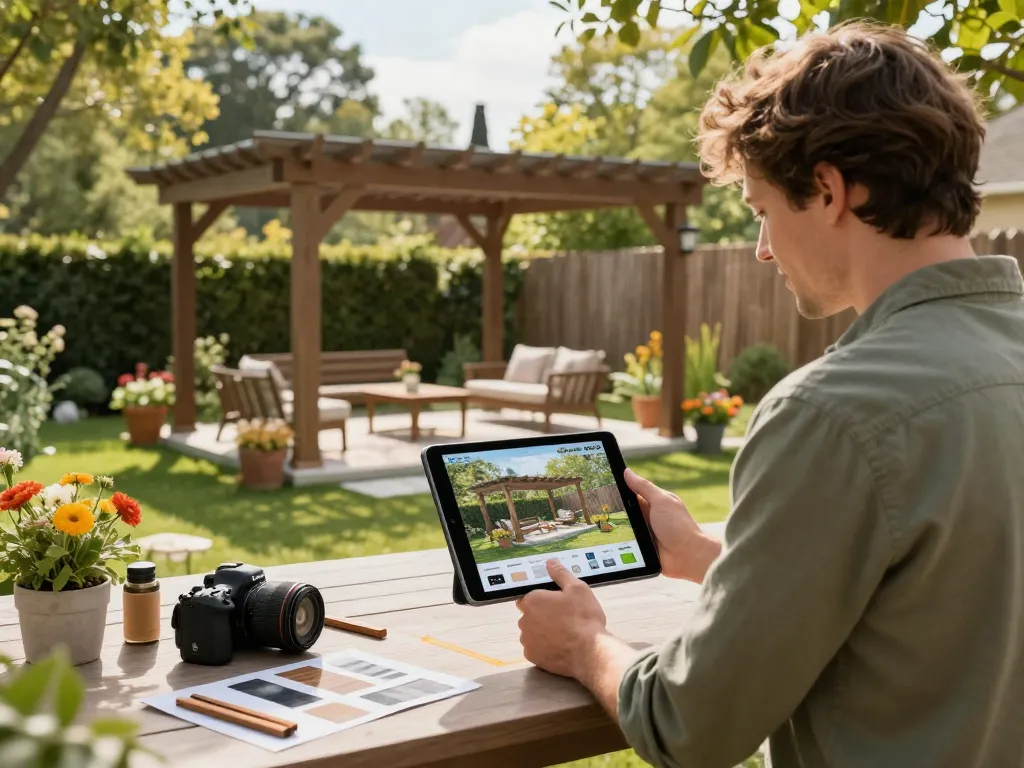
A 3D pergola configurator is an interactive tool that enables users to design and customize pergolas in three dimensions. It lets users manipulate various design parameters, such as dimensions, materials, and styles, ensuring that they can visualize their perfect outdoor structure before making a purchase. This technology allows users to simulate how different pergola options will look in their specific environment, thereby reducing uncertainty and increasing confidence in their choices.
Benefits of Using a 3D Pergola Configurator
- Enhanced Visualization: Customers can see a realistic representation of their pergola in situ, which simplifies decision-making.
- Immediate Customization: Users can adjust designs on the fly, experimenting with various colors, styles, and sizes until they find the perfect match.
- Increased Sales Efficiency: Sales teams can create accurate quotes and proposals instantly, speeding up the overall sales process.
- Streamlined Communication: The configurator allows for better collaboration and communication among team members, ensuring everyone is on the same page throughout the design and sales processes.
Key Features to Look For
When selecting a 3D pergola configurator, it’s essential to look for key features that will enhance your design experience:
- Real-Time Adjustments: The ability to make instant changes to dimensions and aesthetics.
- Augmented Reality Support: Features that allow customers to view their designed pergola in their actual space using AR technology.
- Comprehensive Pricing Integration: Automatic pricing updates based on selections made within the configurator.
- User Management Tools: Systems for managing team roles and permissions effectively.
Effective Design Strategies with the Configurator
Utilizing a 3D pergola configurator requires a strategy to maximize its potential. Here’s how to effectively design your pergola:
Customizing Your Pergola: A Step-by-Step Guide
To customize your pergola successfully, follow these steps:
- Choose Your Base Model: Start with a template that fits your style—traditional, modern, etc.
- Adjust Dimensions: Modify height, width, and depth according to your space requirements.
- Select Materials: Pick from various materials like wood, aluminum, or vinyl, considering aesthetics and durability.
- Add Features: Incorporate additional elements like lights, fans, or curtains to enhance functionality.
- Visualize in AR: Use AR features to see your design in your garden before finalizing.
Choosing Materials and Styles
Choosing the right materials and styles is crucial for both aesthetic appeal and structural integrity. Consider the following factors:
- Climate: Different materials perform better in certain weather conditions—metal is often more durable in harsh climates, while wood offers natural appeal.
- Style Match: Ensure the pergola complements your existing architecture or landscaping.
- Maintenance Needs: Some materials require more upkeep than others; factor this into your decision-making.
Common Design Mistakes to Avoid
While customizing your pergola, be mindful of these common pitfalls:
- Ignoring Scale: Always consider the size of your space; a large pergola can overwhelm a small yard.
- Overcomplicating Design: Simplicity often leads to more elegant results—don’t overdo it with excessive features.
- Neglecting Functionality: Ensure the design accommodates your intended usage, whether for shade, outdoor dining, or garden aesthetic.
Integrating Augmented Reality for Enhanced Visualization
Augmented reality (AR) technology significantly enhances the user experience in the design process. Here’s how to leverage it:
How AR Enhances Customer Experience
AR provides immersive experiences, allowing customers to visualize their 3D pergola in their actual outdoor environments. This technology helps to:
- Eliminate guesswork about dimensions and placement.
- Facilitate faster decision-making and approval processes.
- Enhance customer confidence in their design choices.
Setting Up Augmented Reality Features
To effectively utilize AR in your configurator, ensure your system is equipped with:
- Mobile Compatibility: AR features should be accessible via smartphones or tablets for on-the-go users.
- User-Friendly Interface: Simplicity in navigating AR models is crucial for a positive user experience.
- High-Quality Graphics: Realistic representations of pergolas can enhance the immersive experience.
Real-World Applications of AR in Sales
Retailers and contractors alike can benefit from implementing AR in their sales processes:
- In-Store Demonstrations: Customers can visualize how products will look in their homes, even when they are not physically present.
- Remote Consultations: Sales teams can assist customers remotely, providing tailored advice using AR visuals.
- Increased Engagement: AR can transform a mundane interaction into a captivating experience, making it memorable for customers.
Streamlining Sales Workflows with the Configurator
A 3D pergola configurator not only facilitates design but also significantly enhances the sales process. Here’s how:
Creating Instant Quotes and Proposals
The configurator allows sales professionals to generate accurate quotes rapidly based on the configured pergola. Key benefits include:
- Time Efficiency: Reduces the manual effort in drafting detailed proposals.
- Precision: Automatic pricing calculations minimize errors commonly associated with manual quoting.
- Professional Aesthetics: Generate branded PDFs that can be easily shared with clients.
Managing Customer Interactions Effectively
Customer management is streamlined through features that automate communication, including:
- Appointment Scheduling: Automatically schedule follow-ups and appointments, keeping your pipeline organized.
- Email Reminders: Send timely notifications to customers, ensuring they remain engaged throughout the process.
- Centralized Communication: Keep all customer interactions in one place for easy reference and follow-up.
Team Collaboration Tools Within the System
Collaboration is crucial in any sales environment. Look for tools that facilitate teamwork:
- Role Assignments: Clearly define roles within your team to enhance accountability and clarity.
- Shared Access: Ensure team members have the information they need to perform their tasks effectively.
- Integrated Reporting: Monitor performance metrics and team productivity directly from the configurator platform.
Future Trends in Pergola Design and Technology
As technology evolves, so too does the approach to pergola design and the tools available for customization. Here are some trends to watch for in 2026:
What’s Next for 3D Pergola Technology in 2026?
Advancements in technology will continue to shape the landscape of outdoor design. Expect to see:
- AI Integration: Artificial intelligence may be used to suggest design options based on user preferences and spatial analytics.
- Smart Home Compatibility: Pergolas equipped with smart technology for automated features like lighting, weather sensors, and more.
- Enhanced AR Experiences: Continued innovations in AR that provide even more detail and dynamic interactions for users.
Emerging Design Trends to Watch
Design aesthetics will also evolve. Look for:
- Sustainable Materials: Increased demand for eco-friendly options as consumers become more environmentally conscious.
- Multi-Functional Spaces: Pergolas designed for versatility, serving various purposes from relaxation to entertainment.
- Biophilic Design Elements: Incorporation of natural shapes and forms to create a more harmonious connection to nature.
Impact of Technology on Outdoor Living Spaces
The rapid pace of advancements in technology is transforming how we perceive and utilize outdoor spaces. Key impacts include:
- Greater Personalization: Homeowners increasingly seek tailored solutions that reflect their lifestyle preferences.
- Increased Engagement: Technology fosters deeper connections between consumers and their outdoor environments.
- Innovation in Design: Continuous improvement in design tools allows for more creative and functional outdoor living solutions.
Frequently Asked Questions
How does the 3D Pergola Configurator work?
The configurator works by allowing users to select and customize a pergola design through a user-friendly interface. Users can manipulate dimensions, choose materials, and visualize their design in real-time, complete with immediate pricing updates.
Can I integrate the configurator into my website?
Yes, many 3D pergola configurators can be seamlessly integrated into your website, allowing potential customers to design and quote their pergola without leaving your platform.
What are the advantages of using AR in pergola design?
AR allows customers to visualize their pergola in its intended location, providing a realistic experience that helps with spatial awareness and design validation before purchase.
Is there customer support for the configurator?
Most configurator providers offer robust customer support, including tutorials, FAQs, and direct assistance to help users maximize the software’s potential.
How can I ensure my designs are practical?
By utilizing the configurator’s features, such as real-time adjustments and material suggestions, you can create designs that are not only visually appealing but also functional and suitable for your intended use.


More Stories
Elegant Home and Garden Ideas for Inspired Living Spaces